


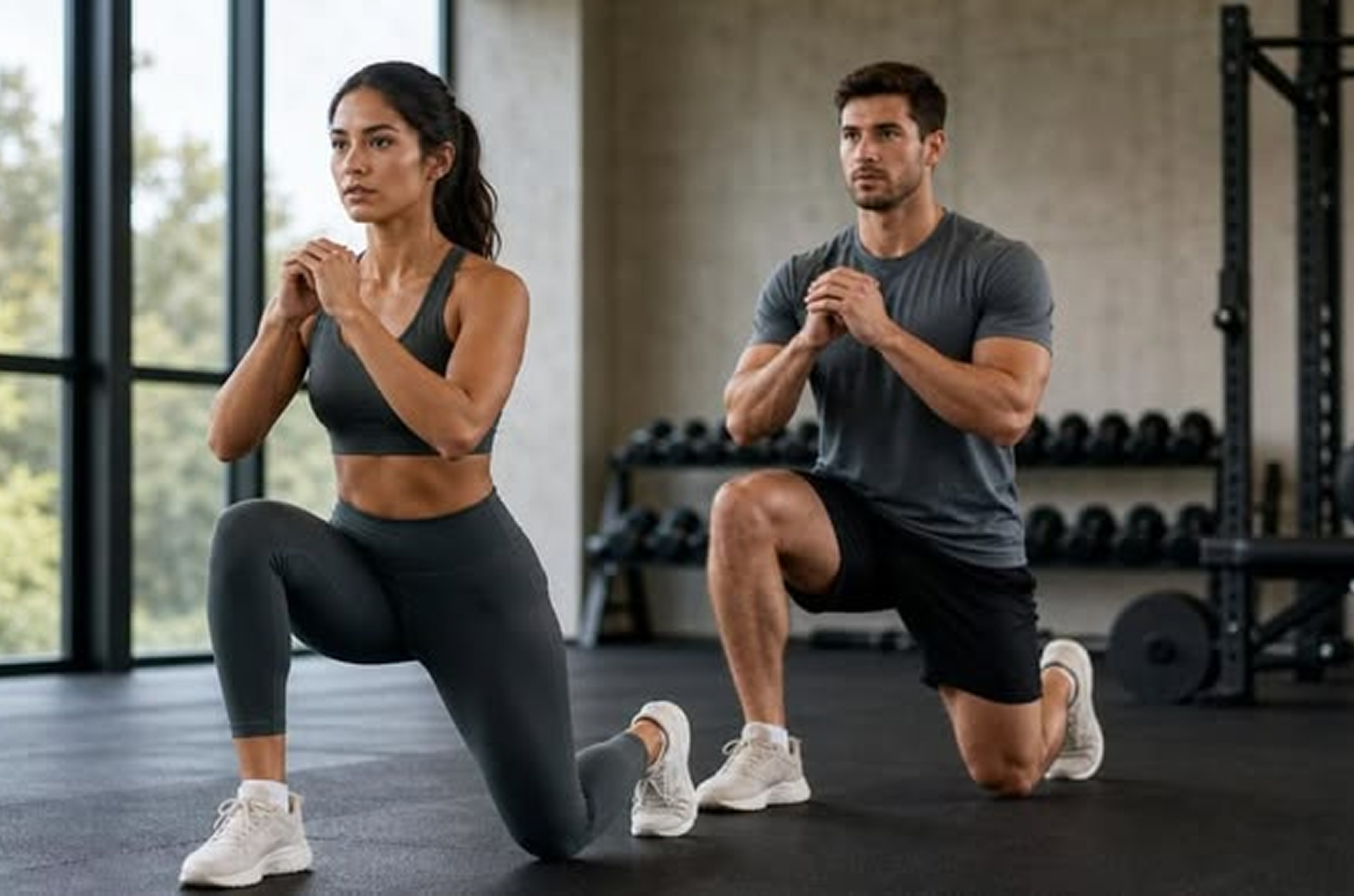
Not all training bottoms are built the same.
The shorts or joggers that feel great on a run may not be the best choice for squats. Different workouts put different demands on your body — and your gymwear should be able to keep up.
The two things that matter most are fit and fabric.
Squats Need Freedom to Move
Squats require your hips, knees, and legs to move through a wide range of motion.
Your training bottoms should stretch with you instead of restricting your movement.
Look for:
Stretchable fabric
Comfortable waistband
Room around the hips and thighs
Secure fit that stays in place
Fabric that isn't too thick or restrictive
Whether you're doing bodyweight squats, barbell squats, or lunges, the right fit should let you move naturally.
Why flexibility matters
Imagine going into a deep squat and feeling your shorts pull against your thighs or your waistband dig into your stomach.
That's the last thing you want when you're trying to focus on your next set.
For strength training, prioritize flexibility, durability, and a secure fit.
Running Needs Lightweight Performance
Running is different.
With every step, you're repeatedly moving your legs while your body generates heat and sweat.
For running, lightweight and breathable bottoms can make a big difference.
Look for:
Lightweight fabric
Breathable construction
Sweat-managing material
Comfortable waistband
Minimal bulk
Secure pockets for essentials
A lighter pair of running shorts can help you feel less restricted and more comfortable during longer sessions.
Can One Pair Work for Both?
Absolutely.
If you want one versatile pair of training bottoms, look for a balance between stretch, breathability, durability, and lightweight comfort.
A good all-rounder should allow you to squat, lunge, run, stretch, and move without constantly adjusting your clothes.
The key is finding the right balance rather than choosing a pair designed for only one activity.
The Fit Test
Before committing to a pair of training bottoms, try a few simple movements:
Squat: Does the fabric stretch without pulling?
Lunge: Can your legs move freely?
Run: Does the waistband stay in place?
Bend: Does the fabric remain comfortable?
Move: Do you feel restricted anywhere?
If the answer is yes to all of these, you've probably found a good training fit.
Final Takeaway
Your workout deserves clothing that works with you, not against you.
For squats, focus on stretch, durability, and freedom of movement.
For running, focus on lightweight, breathable, and sweat-managing fabrics.
And if you want one pair that can handle everything, choose a versatile training bottom that balances comfort, performance, and style.
Train hard. Move freely. Wear what keeps up.